When I deliver stimulant training, I sometimes empty a box of cans, bottles, inhalers, pens, syringe barrels and assorted other bits and pieces onto the table and ask the group to make a crack pipe. There’s usually a fair bit of laughter, and over the years people have come up with some weird and wonderful devices. Then we put them on the table together and talk about what it might actually be like to use one.
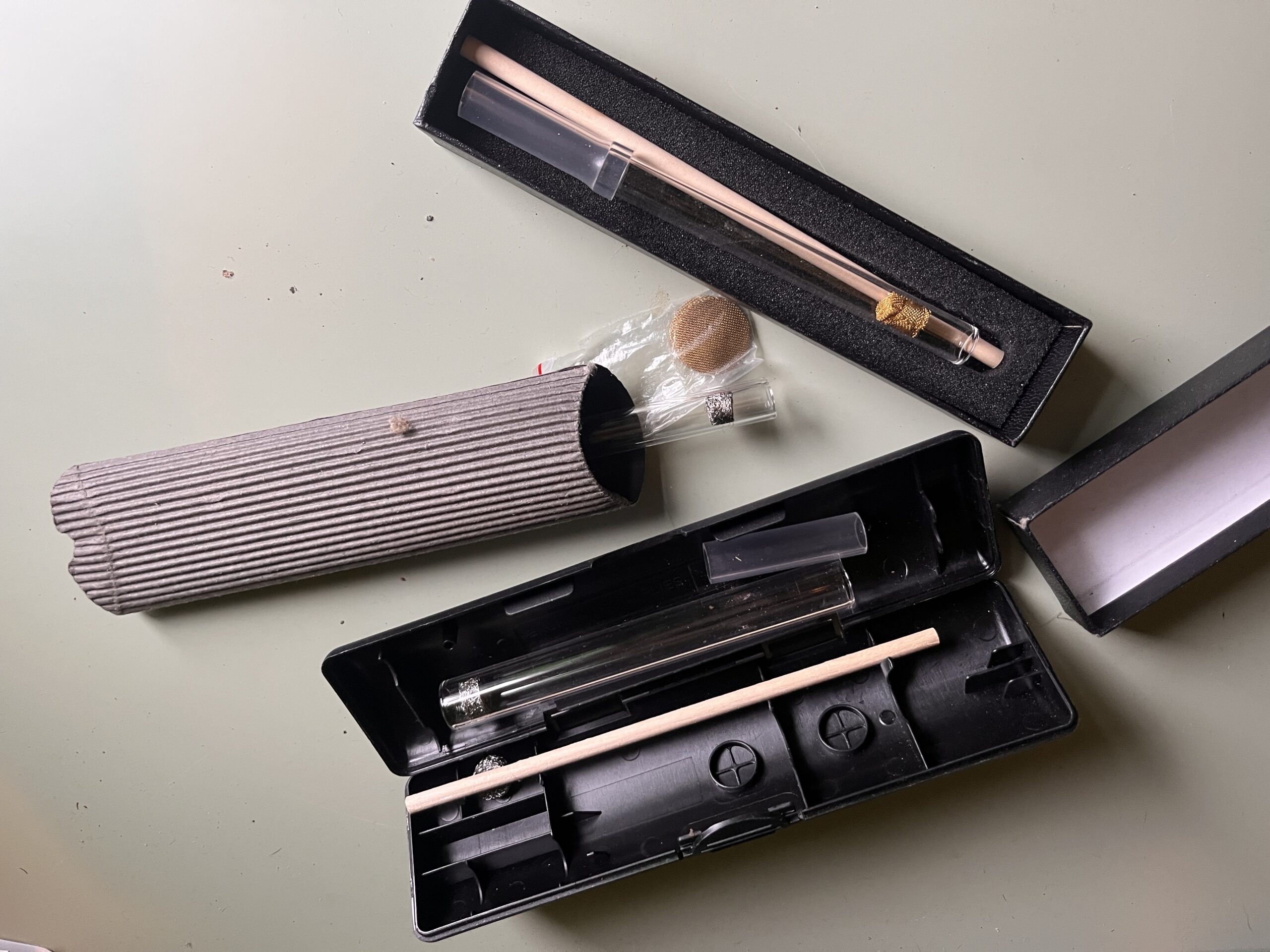
I’ve been thinking about those workshops again since the publication of the Safe Inhalation Pipe Provision (SIPP)evaluation. Over six months, drug services and peer networks in Bristol, Nottingham and Mansfield distributed safer smoking kits, alongside harm reduction information and training for workers. By the end of the study, people surveyed at those sites were less likely than those at comparison sites to report smoking with someone else’s pipe, using a homemade pipe or injecting. Read the SIPP evaluation in Addiction. lifescience.net
For me, that strengthens and supports the case for changing the law. Under section 9A of the Misuse of Drugs Act 1971, supplying a pipe believing it will be used to smoke crack is an offence. The SIPP project ran with the support of local police forces. I’d like to see services across the UK able to offer safer smoking equipment as routinely as we offer sterile injecting equipment. There’s something important in what that offer says to someone walking through the door: we understand a bit about how you use drugs, and we’ve got something here that might be useful to you. That came through in the project’s interviews about what made it easier for people to talk to workers. legislation.gov.uk
Over the last couple of years I’ve drawn heavily on SIPP in the stimulant training I deliver. What’s surprised me is how often workers who regularly support people who smoke crack have had little opportunity to learn how it’s smoked. In some groups if there are people with lived experience they have been the ones explaining why someone might choose one pipe over another, why people use ash, or what can go wrong when wire wool is used as a gauze.
It makes me wonder how often we make room for those conversations back in services. If someone uses heroin and crack, it’s easy for an appointment to fill up with their opioid substitution treatment, whether they have naloxone, how their recovery plan is going and, increasingly, what their exit plan looks like. All of that can be covered without anyone asking what they smoke their crack with, whether they have a pipe of their own or whether there’s anything they’d like help with.
I’ve met workers who feel that giving someone a pipe is “a step too far”, it’s interesting how that view can shift over the course of a workshop. Once we’ve looked at the improvised pipes on the table, talked through the risks and handled one of the straight-stem glass pipes used in SIPP, we can have a much more informed discussion about what services could offer and why someone might want it.
One participant did ask, with some sarcasm, why we didn’t “just give them the drugs as well”. Naturally, we ended up talking about safer supply and the work of the Drug User Liberation Front in Canada. I think they were bamboozled!
More often what I find is that workers are hungry for knowledge they can use, once a fuller understanding of pipes is developed people can leave with a question they can question they can take back to work: “What do you usually smoke with, and how does that work for you?” .
For anyone who wants to explore this further, I completed the SIPP e-learning module when it was hosted by Exchange Supplies. The SIPP project website has more on the training, the equipment and the people who helped develop it.
If you fancy running a workshop yourself, Nigel Brunsdon’s Crack Pipe Workshop is available to download from Injecting Advice. He published it in 2007. We’ve been talking about pipes for a long time !
Lets hope that the findings of the SIPP project, that “The wider provision of safer inhalation equipment should be considered a core part of evidence‐based strategies to reduce drug‐related harms” will soon mean a change in the law and the distribution of safer inhalation devices becomes another part of our harm reduction offer across UK substance use services.